Mastering Pho: Tips from Pho Spot's Family Recipe
Pho, the beloved Vietnamese noodle soup, is more than just a meal; it's a cultural experience that brings families together. With its fragrant broth, tender meat, and fresh herbs, pho has captured the hearts of food lovers around the world. In this post, we will explore the art of making pho, sharing tips from Pho Spot's cherished family recipe. Whether you're a seasoned chef or a curious beginner, these insights will help you create a delicious bowl of pho that rivals your favorite restaurant.

Understanding the Basics of Pho
Pho is traditionally made with beef or chicken, but the essence lies in the broth. The broth is the heart of pho, requiring time and care to develop its rich flavors. Here are the key components:
Broth
Ingredients: The base of the broth typically includes beef bones, ginger, onion, and a blend of spices such as star anise, cloves, and cinnamon.
Cooking Time: A good pho broth should simmer for at least 6 hours to extract maximum flavor from the bones and spices.
Noodles
Type: Flat rice noodles, known as bánh phở, are essential for authentic pho.
Preparation: Soak the noodles in hot water until they are soft, then drain before adding them to the broth.
Protein
Options: Common choices include brisket, flank steak, or chicken. For a vegetarian version, tofu can be used.
Cooking Method: Thinly slice the meat and briefly cook it in the hot broth just before serving.
Garnishes
Fresh Herbs: Basil, cilantro, and mint are traditional garnishes that add freshness.
Condiments: Lime wedges, bean sprouts, and chili peppers allow diners to customize their pho.
Crafting the Perfect Broth
Creating a flavorful broth is an art. Here’s how to master it:
Selecting the Right Bones
Choose a mix of marrow bones and knuckle bones for a rich, gelatinous broth. The marrow adds depth, while the knuckles contribute to the broth's body.
Roasting the Aromatics
Roasting the ginger and onion before adding them to the pot enhances their flavors. Simply char them on an open flame or in the oven until they are slightly blackened.
Spice Blend
A well-balanced spice blend is crucial. Here’s a simple recipe to get you started:
4 star anise
4 cloves
1 cinnamon stick
1 teaspoon coriander seeds
1 teaspoon fennel seeds
Toast the spices in a dry pan until fragrant, then add them to the broth.
Simmering Process
Start by blanching the bones in boiling water for about 10 minutes to remove impurities. Then, transfer them to a large pot, cover with water, and bring to a boil. Reduce the heat and let it simmer gently for 6 to 8 hours. Skim off any foam that rises to the surface.
Noodle Preparation
While the broth simmers, prepare the noodles:
Soak the Noodles: Place the rice noodles in hot water for about 30 minutes until they soften.
Drain and Rinse: Drain the noodles and rinse them under cold water to stop the cooking process.
Choosing Your Protein
The choice of protein can significantly influence the flavor of your pho. Here are some popular options:
Beef
Brisket: A flavorful cut that becomes tender when cooked in the broth.
Flank Steak: Lean and flavorful, it cooks quickly when added to the hot broth.
Chicken
Whole Chicken: For a lighter broth, use a whole chicken. Simmer it in the broth until cooked through, then shred the meat.
Vegetarian Options
Tofu: Firm tofu can be sliced and added to the broth for a vegetarian version.
Assembling Your Pho Bowl
Once the broth is ready and the noodles are prepared, it’s time to assemble your pho bowl:
Noodles First: Place a generous portion of noodles in a bowl.
Add Protein: Layer your choice of protein on top of the noodles.
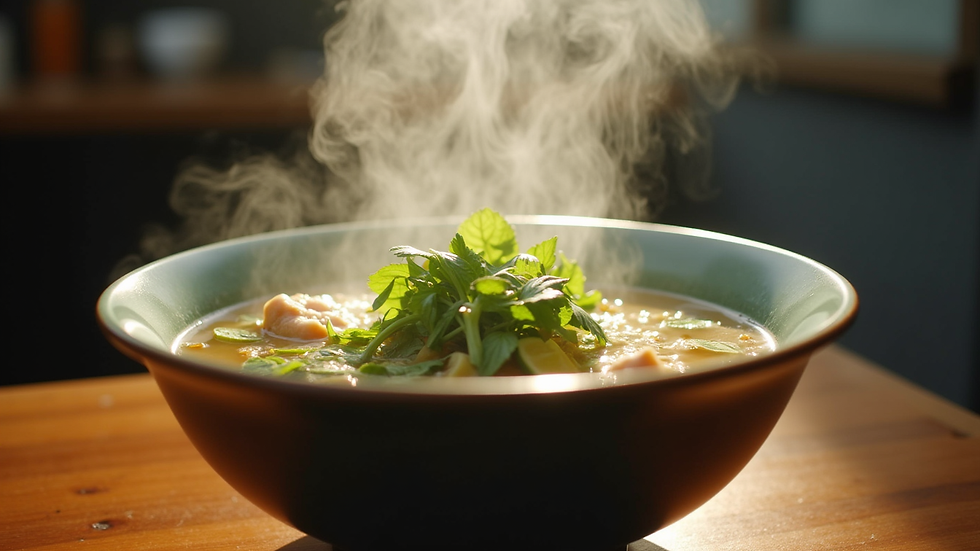
Pour the Broth: Ladle the hot broth over the noodles and protein.
Garnish: Top with fresh herbs, bean sprouts, lime wedges, and chili peppers.
Tips for the Best Pho Experience
To elevate your pho experience, consider these additional tips:
Fresh Ingredients
Using fresh herbs and high-quality ingredients will significantly enhance the flavor of your pho. Visit local markets for the best produce.
Customize Your Bowl
Encourage diners to customize their bowls with different garnishes and condiments. This personal touch makes the meal more enjoyable.
Pairing with Drinks
Pho pairs wonderfully with refreshing beverages. Consider serving it with iced tea or a light beer to complement the flavors.
Common Mistakes to Avoid
Even seasoned cooks can make mistakes when preparing pho. Here are some pitfalls to avoid:
Skipping the Simmering Time
Rushing the broth will result in a lackluster flavor. Patience is key; let it simmer for the full duration.
Overcooking the Noodles
Noodles should be cooked just right. Overcooked noodles can become mushy, ruining the texture of your pho.
Ignoring the Garnishes
Garnishes are not just for decoration; they add essential flavors and textures. Don’t skip them!
Conclusion
Mastering pho is a rewarding culinary journey that brings the warmth of Vietnamese culture into your kitchen. By following these tips from Pho Spot's family recipe, you can create a delicious bowl of pho that will impress your family and friends. Remember, the key to great pho lies in the broth, fresh ingredients, and the love you put into making it. So gather your ingredients, roll up your sleeves, and enjoy the process of creating this beloved dish. Happy cooking!

Comments